
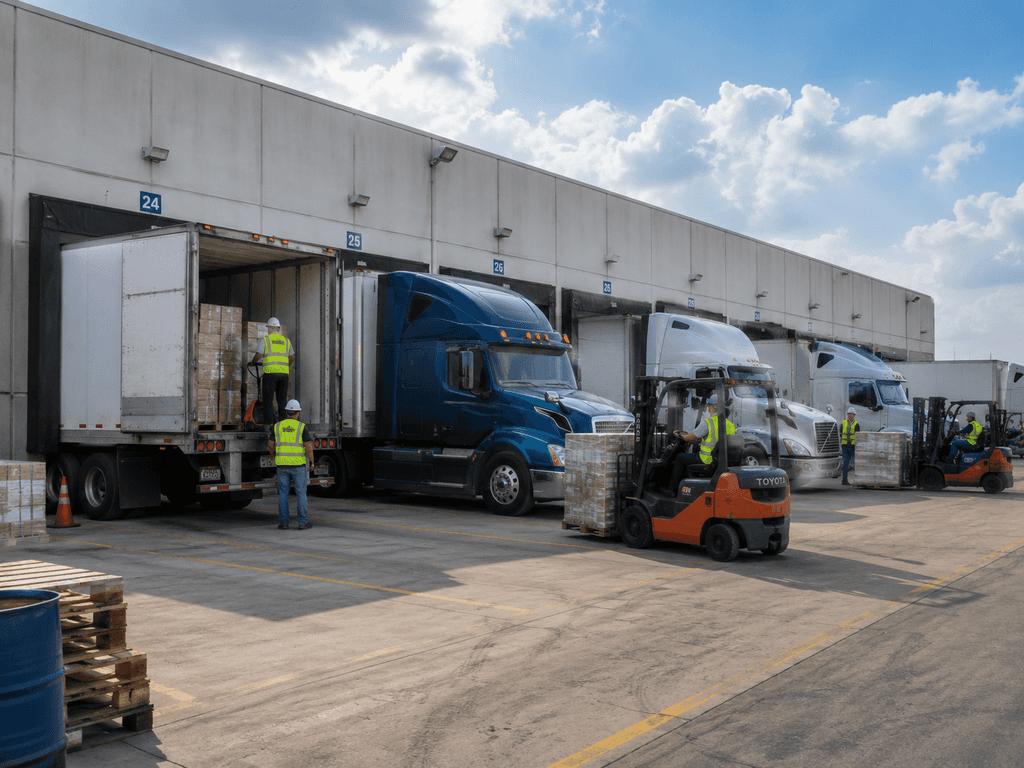
LTL shipping helps businesses move smaller freight shipments without paying for a full trailer.
But many companies overspend on LTL freight because of:
- Incorrect freight classification
- Poor pallet configuration
- Avoidable accessorial charges
- Inefficient shipment planning
- Inaccurate shipment dimensions
Even small shipping mistakes increase transportation costs significantly.
This guide explains:
- How LTL freight pricing works
- Ways to reduce LTL freight costs
- How to avoid extra shipping charges
- Pallet optimization strategies
- Freight Class Best Practices
- Shipment planning techniques
Businesses that improve shipment accuracy and freight preparation often lower transportation costs without reducing delivery performance.
Quick Summary: Ways to Reduce LTL Freight Costs
How LTL Freight Pricing Works
Carriers calculate shipping cost based on:
- Freight class
- Shipment weight
- Pallet dimensions
- Freight density
- Delivery distance
- Accessorial charges
- Shipment handling requirements
LTL carriers share trailer space between multiple shipments. Because of this, inefficient freight configurations often increase pricing.
Freight class plays a major role in determining LTL shipping cost. Carriers use the National Motor Freight Classification standards to evaluate:
- Density
- Handling difficulty
- Liability risk
- Stowability
Learn more about freight classification standards through NMFTA.
Understanding how LTL pricing works helps businesses identify avoidable shipping expenses before booking freight.
Optimize Freight Classification
Incorrect freight classification is one of the most common reasons businesses overpay for LTL shipping.
Reclassification fees happen when:
- Shipment dimensions are inaccurate
- Pallet weight changes
- Freight density differs from the quoted information
- The wrong freight class is used
Example: A shipment originally quoted under Class 125 may receive higher pricing if carrier inspection identifies a higher freight class during transit.
Businesses should verify:
- NMFC classification
Accurate shipment information improves quote accuracy and reduces invoice disputes.
Businesses reviewing hidden freight broker fees and accessorial charges often discover that freight reclassification significantly increases final shipping cost.
How Freight Density Affects LTL Pricing
Freight density plays a major role in LTL shipping costs.
LTL carriers calculate pricing partly based on how much trailer space freight occupies compared to its weight.
Low-density freight usually costs more because it takes up large trailer space without maximizing trailer weight capacity.
Freight density is commonly calculated using:
- Total cubic footage
Shipments with large dimensions and low weight often receive higher freight classifications and increased transportation costs.
Example:
A lightweight shipment with oversized pallet dimensions may cost more than a heavier compact shipment because it occupies more trailer space.
Common low-density freight examples include:
- Lightweight insulation materials
- Plastic containers
- Packaged retail displays
- Oversized packaged products
Businesses improve freight density by:
- Reducing unnecessary pallet height
- Minimizing empty pallet space
- Improving stackability
- Consolidating smaller shipments
Higher freight density often improves trailer utilization and reduces LTL shipping expenses.
Businesses comparing palletized freight options frequently review LTL freight shipping services and Full truckload freight services based on shipment size and trailer space requirements.
Improve Pallet Configuration
Pallet configuration directly affects LTL shipping efficiency.
Poor pallet setup increases:
- Trailer space usage
- Cargo instability
- Freight damage risk
Best pallet optimization practices include:
- Stacking freight securely
- Minimizing wasted pallet space
- Using uniform pallet dimensions
Poor pallet stacking often increases trailer space usage and raises LTL pricing because carriers calculate rates partly based on freight density and cube utilization.
Businesses shipping palletized freight often compare dry van transportation services and LTL freight options based on shipment size and handling requirements.
dry van transportation services
Efficient pallet configuration improves transportation efficiency and reduces unnecessary freight costs.
Reduce Accessorial Charges
Accessorial charges are additional fees added outside standard freight transportation pricing.
Common LTL accessorial charges include:
- Liftgate fees
- Detention charges
- Residential delivery fees
- Appointment delivery charges
- Limited access fees
- Redelivery charges
Many businesses overlook these costs during shipment planning.
Example: Residential deliveries without dock access often trigger both liftgate and limited access charges.
Businesses reduce accessorial charges by:
- Confirming delivery requirements early
- Verifying commercial delivery locations
- Minimizing loading delays
- Communicating shipment details accurately
- Understanding hidden freight broker fees helps businesses reduce unexpected transportation expenses.
Consolidate Freight Shipments
Instead of shipping multiple smaller loads separately, businesses often lower total transportation costs by combining shipments into fewer freight moves.
Shipment consolidation helps:
- Reduce shipment frequency
- Improve pallet utilization
- Lower handling charges
- Reduce accessorial exposure
Combining multiple weekly shipments into one larger LTL shipment often lowers total shipping cost compared to booking separate deliveries.
For larger freight volumes, businesses frequently compare FTL vs LTL shipping costs and transit times before selecting transportation methods.
FTL vs LTL shipping costs and transit times
Shipments above 8-10 pallets sometimes become more cost-efficient under FTL pricing.
Avoid Freight Damage
Freight damage creates additional transportation expenses through:
- Replacement costs
- Delivery delays
- Customer claims
- Shipment rescheduling
LTL freight moves through multiple terminals during transit. Each handling point increases the risk of cargo damage.
Businesses reduce freight damage by:
- Securing pallets properly
- Using protective packaging
- Shrink-wrapping freight
- Improving load stability
- Reducing pallet overhang
Unstable pallet configurations often shift during terminal handling and increase freight damage risk.
Proper packaging improves shipment protection and reduces avoidable transportation costs.
Use Freight Auditing to Reduce Shipping Costs
Freight auditing helps businesses identify billing errors and unnecessary shipping charges.
Reviewing freight invoices helps identify:
- Duplicate accessorial fees
- Inaccurate shipment weights
- Detention billing errors
- Pricing discrepancies
Businesses shipping LTL freight regularly often reduce transportation costs by auditing invoices consistently.
A structured freight audit process improves:
- Billing accuracy
- Shipment visibility
- Transportation planning
- Cost forecasting
Working with an experienced freight brokerage company helps businesses improve freight planning and identify avoidable shipping expenses.
Common LTL Shipping Mistakes That Increase Costs
Many unnecessary freight charges result from avoidable operational mistakes.
Common LTL shipping mistakes include:
- Incorrect pallet dimensions
- Underreported shipment weight
- Inaccurate freight classification
- Poor packaging
- Unconfirmed delivery requirements
- Inefficient shipment scheduling
A shipment quoted at a lower freight class may receive higher carrier charges after terminal inspection identifies incorrect pallet dimensions.
Shipment preparation accuracy plays a major role in controlling transportation costs.
LTL Freight Cost Reduction Checklist
Businesses should review shipment details carefully before booking freight.
Using a structured shipping process helps reduce avoidable freight expenses.
How to Prepare Freight for LTL Shipping
Proper freight preparation improves shipment efficiency and reduces handling-related charges.
Best practices include:
- Using standard pallet sizes
- Securing freight with shrink wrap
- Labeling shipments clearly
- Balancing pallet weight evenly
- Protecting fragile freight
- Minimizing pallet overhang
Well-prepared freight improves:
- Loading efficiency
- Trailer utilization
- Shipment safety
- Delivery performance
Businesses shipping larger or fragile freight sometimes compare LTL shipping with flatbed freight shipping services, depending on cargo dimensions and handling requirements.
flatbed freight shipping services
Frequently Asked Questions
How do I reduce LTL freight costs?
Businesses reduce LTL freight costs by optimizing freight class, improving pallet configuration, reducing accessorial charges, consolidating shipments, and verifying shipment details before pickup.
What increases LTL shipping costs?
LTL shipping costs increase because of freight reclassification, inefficient pallet configuration, accessorial charges, cargo damage, and inaccurate shipment information.
What are LTL accessorial charges?
Accessorial charges are additional shipping fees for services outside standard transportation, including liftgate delivery, detention time, and appointment scheduling.
How does freight class affect LTL pricing?
Freight class affects pricing based on shipment density, handling difficulty, liability, and stowability.
Is LTL cheaper than FTL?
LTL shipping is usually cheaper for smaller shipments, while larger freight volumes often become more cost-efficient under FTL pricing.
What causes freight reclassification fees?
Reclassification fees happen when shipment dimensions, weight, density, or freight class differ from the original booking information.
How do pallet dimensions affect shipping costs?
Pallet dimensions affect trailer space usage, freight density, and carrier pricing calculations.
How do I avoid extra LTL charges?
Businesses avoid extra LTL charges by verifying shipment details, reducing loading delays, confirming delivery requirements, and preparing freight properly.
Need help reducing LTL freight costs?
SIOX Logistics Freight Broker Services helps businesses optimize shipment planning, reduce accessorial charges and improve freight pricing accuracy across LTL and FTL freight shipments.
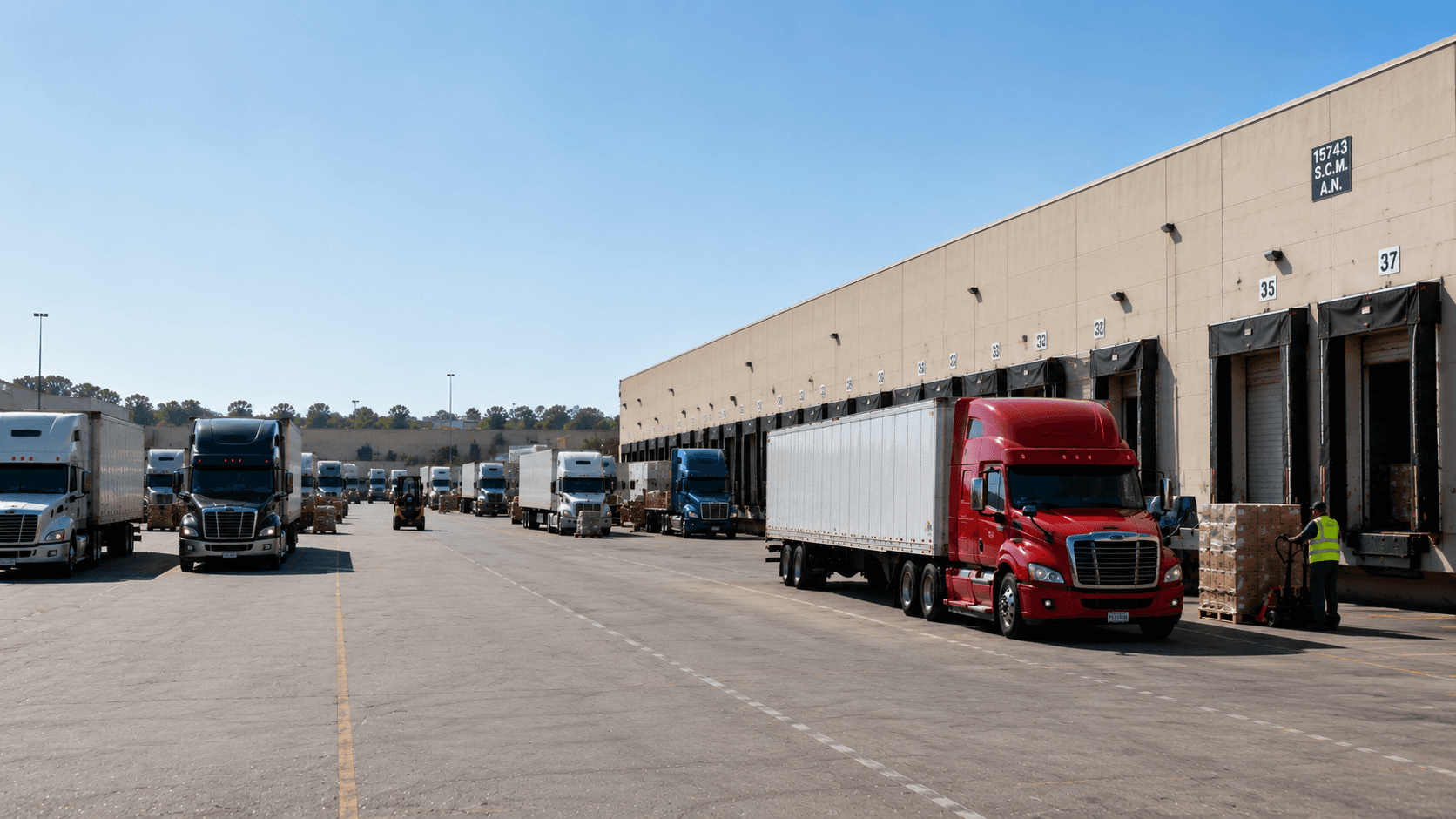
Fixing LTL Freight Classification to Control Costs
Understanding LTL Freight Classification
LTL pricing relies on the National Motor Freight Classification system. Each product type receives an NMFC code that determines the freight class.
Freight class depends on several characteristics:
- Handling requirements
Freight classes range from Class 50 to Class 500. Lower classes usually move at lower rates because they are dense and easier to transport.
When the wrong class appears on a Bill of Lading, the carrier may reclassify the shipment and apply a higher rate.
Common Reclassification Mistakes
Freight classification problems usually occur when shippers:
- Use outdated NMFC codes
- Guess the freight class instead of calculating density
- Ship products with mixed packaging that changes the density
Each time this happens, the carrier issues a reclassification adjustment that raises the final invoice.
Calculating Freight Density Correctly
How to Calculate Freight Density
In the LTL shipping world, carriers care about how much room your pallet takes up, not just how heavy it is. Density tells you how tightly packed your shipment is. A pallet of bricks is very dense. A pallet of inflated beach balls is not.
Carriers use this number to assign your freight class. Let us walk through the exact math to protect your shipping budget. We will use a standard 1,000 pound pallet that is 48 inches long, 40 inches wide and loaded 48 inches high.
Step 1: Find the total volume in inches
Multiply the exact length, width and height of your pallet. 48 x 40 x 48 = 92,160 cubic inches.
Step 2: Convert inches to cubic feet
Carriers measure space in cubic feet. Since one cubic foot is 12 x 12 x 12 inches, there are exactly 1,728 cubic inches in a single cubic foot. Divide your total cubic inches (92,160) by 1,728. This gives you 53.33 cubic feet. That is the physical amount of space your pallet occupies on the truck.
Step 3: Calculate the density
Divide the total weight of the shipment by the total cubic feet. Take your 1,000 pounds and divide it by 53.33 cubic feet. The result is 18.75 pounds per cubic foot.
Why This Math Matters
The National Motor Freight Traffic Association uses this exact density number to determine your freight class. A higher density usually means a lower freight class and a lower class means you pay less to ship the item.
If you just guess this number, the carrier will reweigh and inspect the pallet at the terminal. If they do the math and get a different density, they will hit you with an unexpected reclassification fee. Getting this calculation right takes a few extra minutes, but it protects your budget from surprise charges.
Avoiding Reweigh Fees on LTL Shipments
Another common charge that increases LTL invoices is the reweigh fee.
Carriers often verify shipment weight at their terminals. If the actual weight differs from the Bill of Lading, the carrier may apply two adjustments:
- Updated weight rate
- Reweigh administrative fee
Even small weight differences can trigger these charges.
How to Avoid Reweigh Fees?
Shipping teams can reduce these adjustments by improving weight accuracy.
Practical steps include:
- Weigh pallets before scheduling pickup
- Include pallet weight in the shipment total
- Use calibrated warehouse scales
- Verify weight data in the transportation system
Accurate weight information prevents billing surprises later.
Managing Accessorial Charges in LTL Shipping
LTL shipments often include additional services that affect the final cost.
Common accessorial charges include:
- Liftgate service at pickup or delivery
- Residential delivery
- Limited access locations
- Inside delivery
- Appointment scheduling
For example, if a delivery requires a liftgate but the request was not included on the original quote, the carrier will add the fee later.
Understanding accessorial requirements before booking the shipment helps avoid unexpected charges.
Choosing the Right LTL Carrier Network
Another way to reduce LTL freight costs without slowing delivery is by using the right carrier network.
Not every carrier performs equally well on every lane. Some carriers move freight faster within certain regions because their terminal network is stronger there.
Working with a broker that understands the LTL carrier network can help shippers:
- Reduce transit delays
- Improve pickup reliability
- Avoid excessive terminal transfers
- Maintain competitive pricing
When the right carrier handles the lane, shipments move more efficiently through the network.
Why Freight Audits Matter for LTL Shipping
Many companies continue paying the same LTL costs every month without reviewing their shipment history.
A historical freight audit often reveals several areas where costs increase:
- Incorrect freight classes
- Frequent reweigh adjustments
- Unnecessary accessorial charges
- Lanes assigned to inefficient carriers
Correcting these issues can reduce transportation spend without changing delivery timelines.
How Siox Logistics Helps Shippers Reduce LTL Freight Costs?
Supply chain managers often know their freight spending is higher than it should be. The challenge is identifying exactly where those costs originate.
This is where a freight broker with strong LTL experience can help.
Siox Logistics works with shippers to review their LTL shipping patterns and identify billing issues that increase freight costs.
The process often includes:
- Reviewing historical freight invoices
- Correcting NMFC classifications
- Checking pallet density calculations
- Identifying recurring reweigh fees
- Matching shipments with stronger carriers in the LTL carrier network
When these adjustments are made, many companies see meaningful reductions in LTL spending without slowing delivery performance.
Find Out Where Your LTL Freight Budget Is Leaking
If your LTL invoices continue rising month after month, the issue may not be the market rate. The real problem may be hidden in freight classifications, density calculations or recurring accessorial charges.
Siox Logistics offers a historical LTL freight audit that reviews past shipments and identifies where those extra costs appear.
The audit can help your team:
- Identify incorrect freight classes
- Eliminate recurring reweigh fees
- Reduce unnecessary accessorial charges
- Improve carrier selection within the LTL network
If you want to see exactly where your LTL budget is slipping away, reach out to Siox Logistics and request a freight audit. The results often reveal cost reductions that many shipping teams miss.
What is LTL freight classification?
LTL freight classification uses NMFC codes to categorize products based on density, handling requirements, stowability and liability. The freight class affects the shipping rate.
How can companies avoid reweigh fees?
Shippers can avoid reweigh fees by accurately weighing pallets before pickup and including pallet weight in the total shipment weight.
What is freight density in LTL shipping?
Freight density measures weight compared to cubic space. Higher density shipments usually receive lower freight classes and better pricing.
What is an LTL carrier network?
An LTL carrier network is the system of terminals and linehaul routes that carriers use to move shipments between regions before final delivery.
- Ready to Move Your Freight?
- 24/7 Operations
- Nationwide Coverage
- Live Tracking Updates