
SIOX Logistics Blog - Freight Tips and Latest Trends
Practical guides on freight brokerage, shipping costs, and moving loads smarter across the USA.
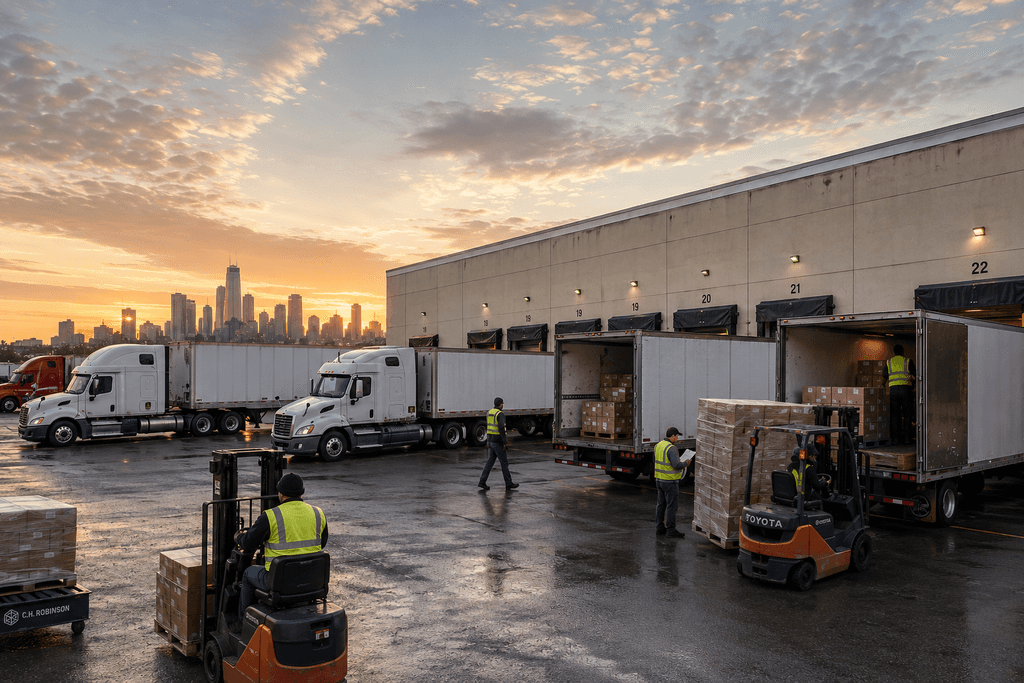
FTL vs LTL Shipping: Cost, Transit Time & Best Use Cases
Choosing between dedicated truckload shipping and shared freight transportation affects freight cost, delivery speed, cargo handling, and damage risk.
Read articlearrow_forward
Hidden Freight Broker Fees: Common Shipping Charges Explained
Most freight quotes do not include every transportation cost upfront.
Read articlearrow_forward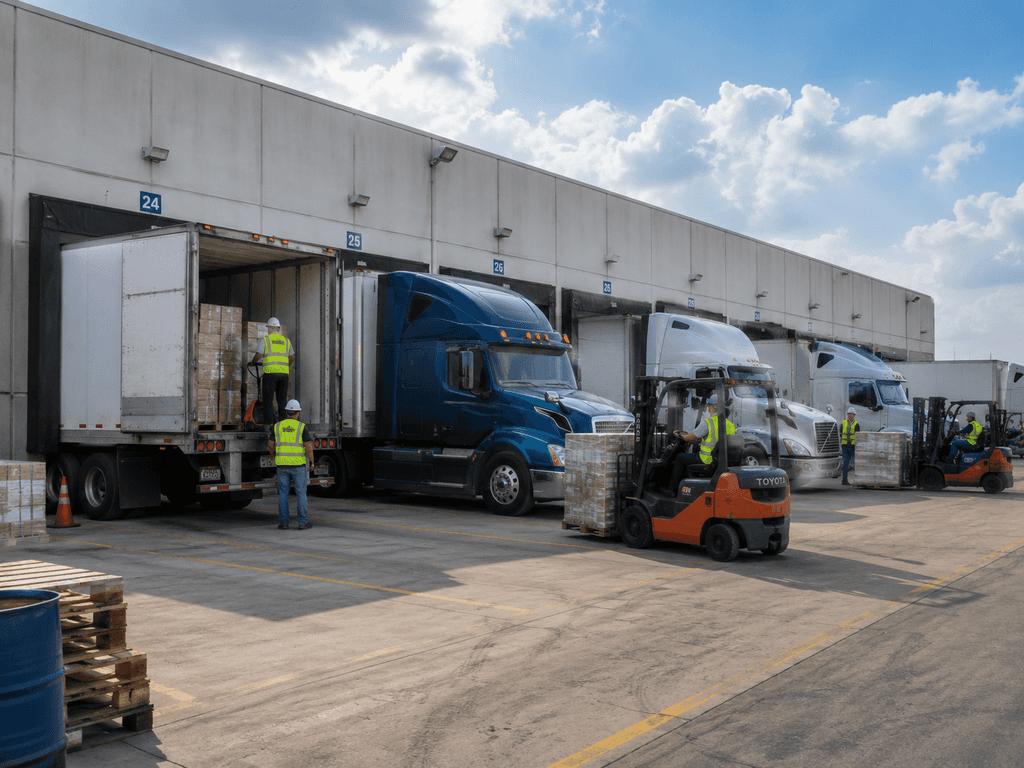
How to Reduce LTL Freight Costs
LTL shipping helps businesses move smaller freight shipments without paying for a full trailer.
Read articlearrow_forward
Reefer Shipping Best Practices: A Guide to Refrigerated Freight Success
Refrigerated transportation requires more than refrigerated trailers.
Read articlearrow_forward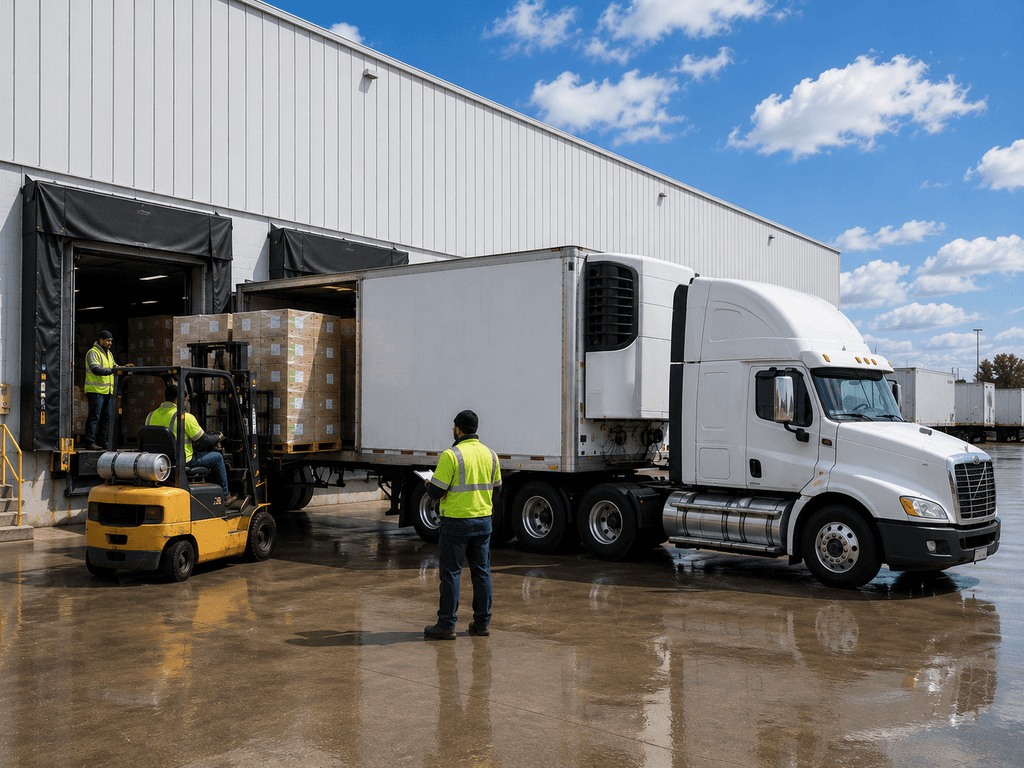
Temperature Controlled Freight: How Reefer Shipping Protects Sensitive and Perishable Goods
Climate-controlled freight transportation keeps products within a specific temperature range during transportation. It plays a critical role in protecting food, pharmaceuticals, chemicals, and other sensitive cargo from spoilage, contamination, or product loss.
Read articlearrow_forward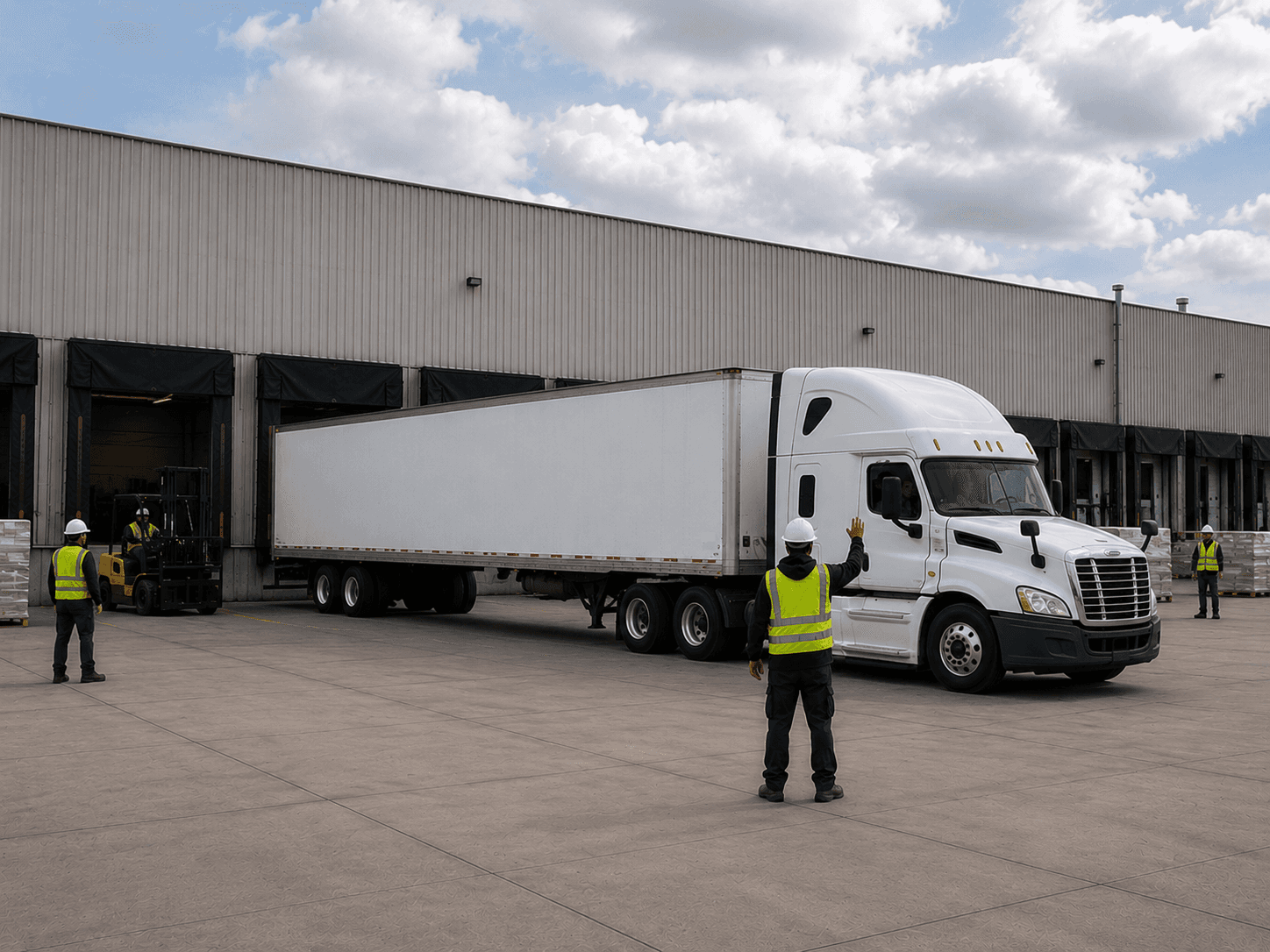
How to Build a Freight Budget That Actually Holds
Most freight budgets break down not because rates change, but because the budget never accounted for what rates actually include.
Read articlearrow_forwardAgricultural Freight: Seasonal Shipping Challenges and How to Plan Around Them
Agricultural freight moves in waves. Harvest seasons compress demand into short windows, pushing capacity tight and rates up across entire regions.
Read articlearrow_forward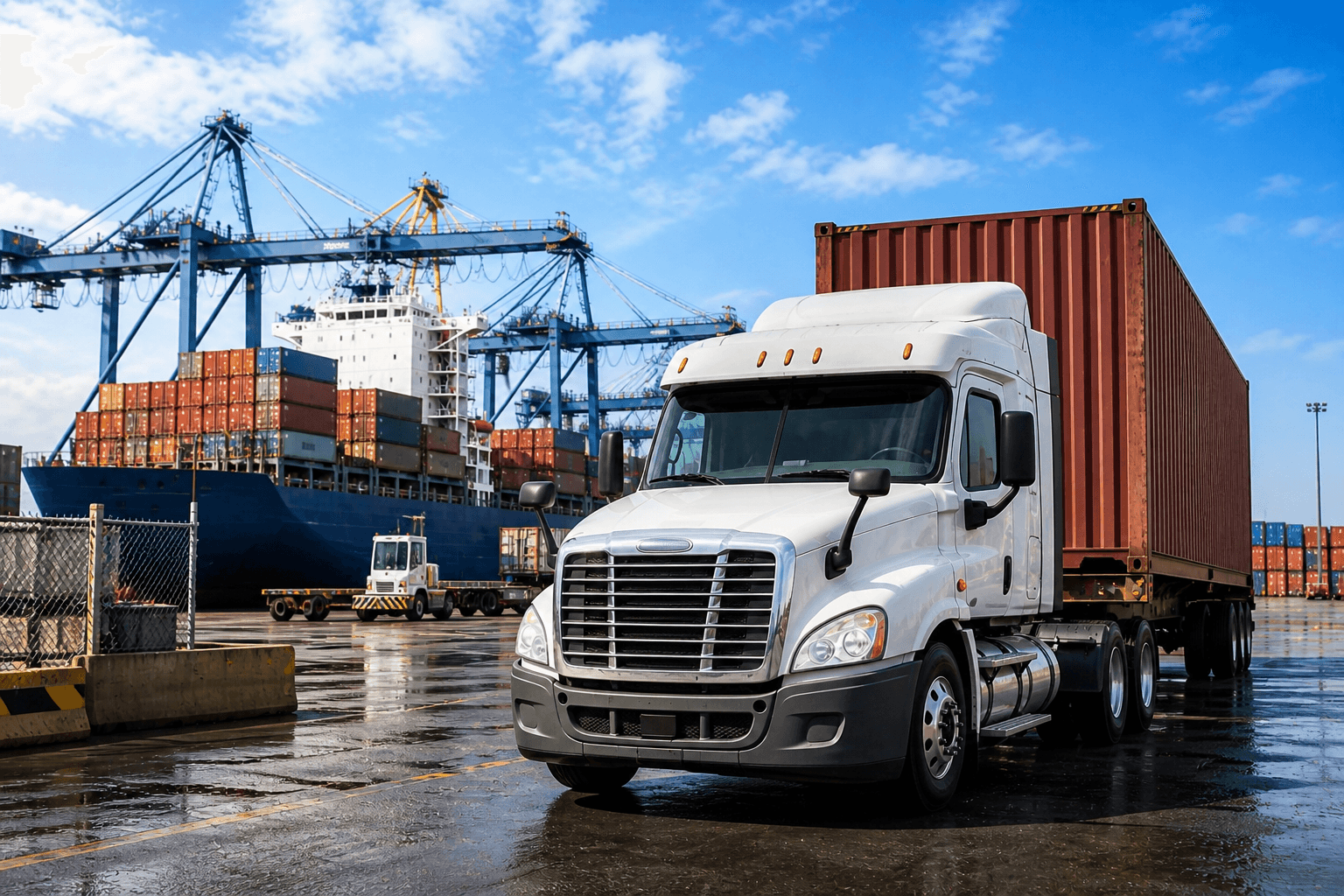
The Complete Guide to Intermodal Freight Shipping
Intermodal freight moves cargo in a single container across two or more transportation modes — typically rail and truck — without unloading the freight between transfers.
Read articlearrow_forwardFuel Surcharges Explained: How They Affect Your Freight Bill
A fuel surcharge is a variable fee added to a base freight rate to account for changes in diesel fuel prices. It is recalculated weekly or monthly depending on the carrier.
Read articlearrow_forwardHow to Choose a Freight Broker: 7 Questions Every Shipper Should Ask
The wrong freight broker costs more than the difference in rate. Delayed pickups, unanswered calls, and surprise charges can disrupt operations faster than a bad lane.
Read articlearrow_forward
Expedited Freight Shipping: When Speed Is Worth the Premium
Expedited freight shipping moves cargo faster than standard transit by limiting stops, assigning dedicated capacity, and running team drivers when the lane requires overnight coverage.
Read articlearrow_forwardCross-Docking vs Direct Shipping: Which Strategy Fits Your Supply Chain?
Cross-docking and direct shipping solve different problems. Cross-docking consolidates freight from multiple origins before final delivery. Direct shipping moves freight from one pickup to one destination without intermediate stops.
Read articlearrow_forward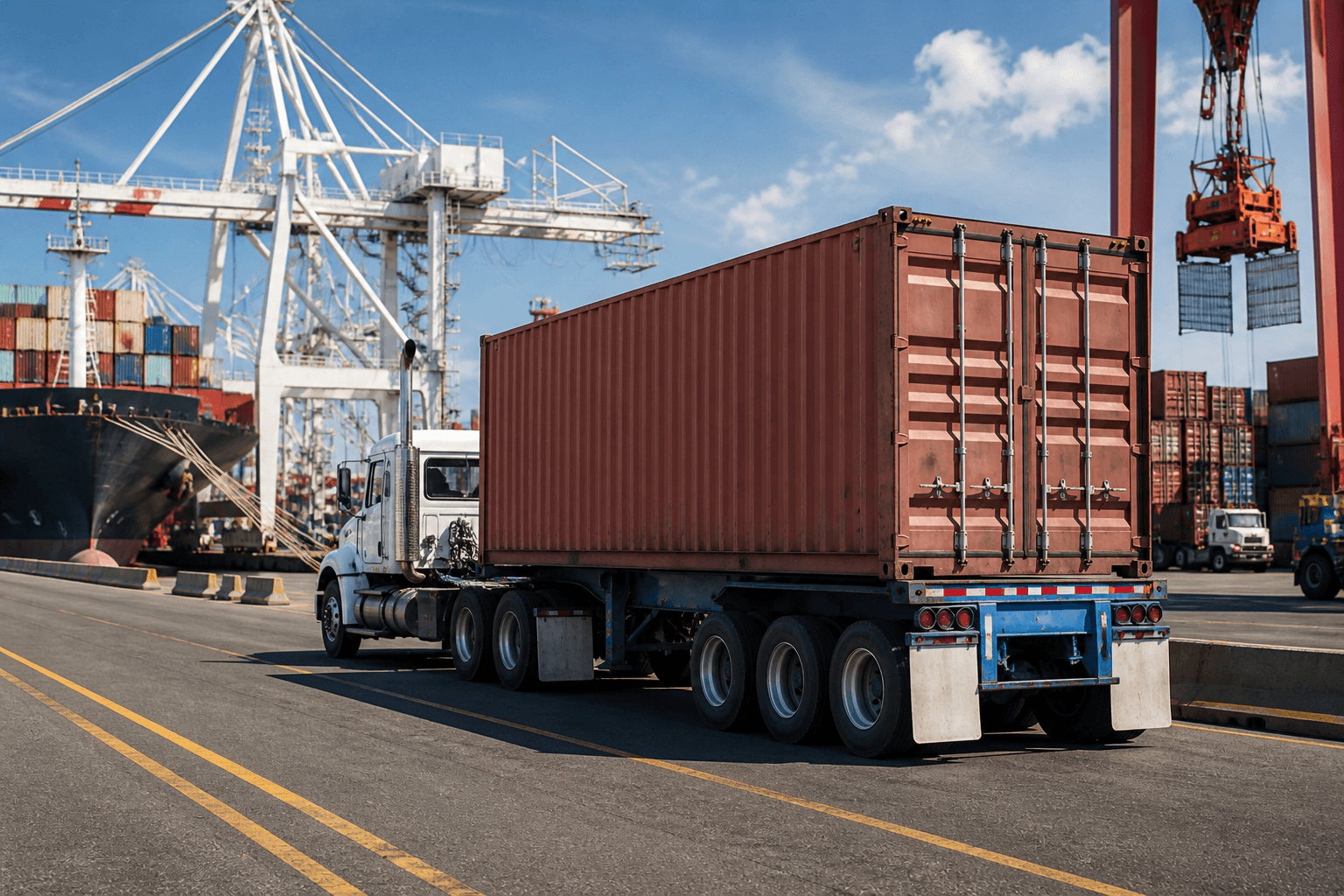
How Freight Brokers Negotiate Carrier Rates (And What That Means for You)
A freight broker's primary job is to match shippers with carriers at the right price, at the right time. The rate you pay reflects how well that match is made.
Read articlearrow_forward
Flatbed vs Dry Van: Choosing the Right Trailer for Your Freight
Flatbed and dry van trailers carry different freight, move it differently, and come with different rate structures. Choosing the wrong trailer type means delays, rejected loads, or avoidable extra cost.
Read articlearrow_forwardHow Supply Chain Disruptions Drive Up Freight Rates
Freight rates do not rise and fall randomly. They track supply and demand across transportation capacity, port throughput, fuel costs, and driver availability — all of which are vulnerable to disruption.
Read articlearrow_forwardAccessorial Charges Explained: Common Freight Add-Ons and How to Avoid Them
Accessorial charges are fees added to a base freight rate for services beyond standard pickup and delivery. They appear on invoices after delivery and often catch shippers off guard.
Read articlearrow_forwardFreight Claims 101: How to File, Document, and Win Your Claim
When freight arrives damaged or short, the clock starts immediately. Carriers and their insurers are experienced at defending claims. Shippers who document well and file quickly win far more often.
Read articlearrow_forwardPort Drayage Explained: From Container Ship to Warehouse
Drayage is the short-distance movement of a shipping container from a port terminal to a nearby warehouse, rail ramp, or distribution center. It is the first domestic leg of most international shipments.
Read articlearrow_forwardWhat Is Freight Class? How NMFC Classification Affects Your LTL Rate
Freight class is a standardized rating system used by LTL carriers to price shipments. Getting the class wrong means reclassification fees, invoice adjustments, or delayed delivery.
Read articlearrow_forwardHow to Read a Bill of Lading: A Complete Shipper's Guide
The bill of lading is the most important document in freight shipping. It is the contract between shipper and carrier, the receipt for the goods, and the document that settles disputes.
Read articlearrow_forwardReady to Move Your Freight?
Get a fast, competitive freight quote or talk to our 24/7 dispatch team today.