Climate-controlled freight transportation keeps products within a specific temperature range during transportation. It plays a critical role in protecting food, pharmaceuticals, chemicals, and other sensitive cargo from spoilage, contamination, or product loss.
Businesses that rely on refrigerated supply chain transportation need reliable reefer, real-time shipment visibility, and strict temperature compliance. Even small temperature fluctuations during transit lead to rejected loads, compliance violations, and financial losses.
At SIOX Logistics, we coordinate temperature sensitive freight shipments across the U.S. using experienced reefer carriers, shipment tracking, and proactive dispatch communication to help reduce cold chain risks.
What Is Temperature Controlled Freight?
Cold storage transportation refers to cargo transported in refrigerated or climate-controlled trailers designed to maintain a consistent temperature throughout transit.
These shipments often move in reefer trailers equipped with:
- Refrigeration units
- Temperature sensors
- Airflow management systems
- Real-time monitoring technology
- Backup temperature controls
"Climate-sensitive shipping supports products that require frozen, chilled, or stable ambient conditions."
Common examples include:
- Fresh produce
- Dairy products
- Frozen foods
- Seafood and meat
- Vaccines and pharmaceuticals
- Chemicals
- Cosmetics
- Floral products
How Reefer Freight Shipping Works
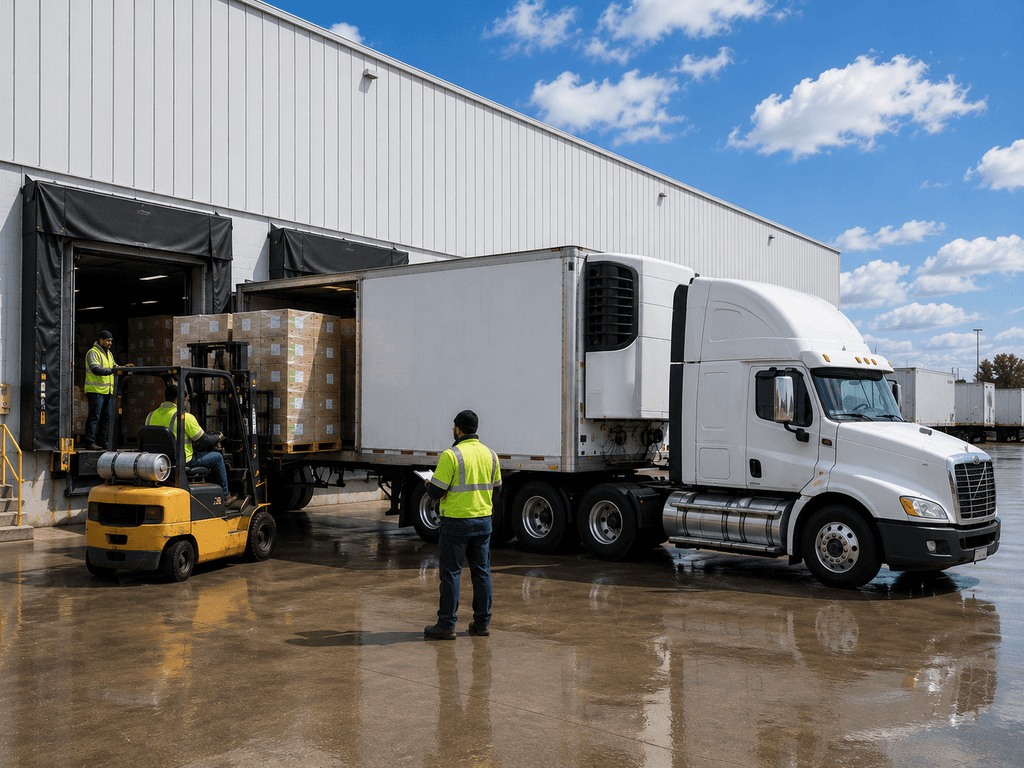
Reefer freight shipping uses refrigerated trailers to maintain cargo temperatures during pickup, transit, and delivery.
The process usually includes:
- Pre-cooling the trailer before loading
- Verifying cargo temperature requirements
- Loading freight with proper airflow spacing
- Monitoring temperatures during transit
- Maintaining cold chain compliance at delivery
Operational mistakes during any stage increase the risk of temperature excursions.
At SIOX Logistics, dispatch teams coordinate with refrigerated freight carriers before pickup to confirm:
- Required cargo temperature
- Continuous or start-stop reefer settings
- Delivery schedules
- Fuel levels for refrigeration units
- Temperature monitoring requirements
These operational checks help reduce shipment failures and cargo claims.
Industries That Depend on Cold Chain Logistics
Temperature-sensitive transportation supports industries where product integrity depends on temperature stability.
Food and Beverage Shipping
Food products often require strict refrigerated transportation to prevent spoilage and bacterial growth.
Common reefer freight includes:
- Produce
- Dairy
- Meat and poultry
- Beverages
The U.S. Food and Drug Administration regulates food transportation safety under the Food Safety Modernization Act (FSMA).
U.S. Food and Drug Administration
Pharmaceutical Cold Chain Shipping
Pharmaceutical products often require precise temperature ranges during transportation.
Examples include:
- Vaccines
- Biologics
- Injectable medications
- Clinical trial materials
Temperature deviations during transit reduce product effectiveness and create compliance risks.
Chemical and Industrial Freight
Some industrial chemicals and specialty materials require climate-controlled transportation to maintain stability and safety during transit.
Common Temperature Ranges for Reefer Freight
Different types of sensitive cargo require specific transit temperature ranges.
Temperature requirements vary based on product type, transit duration, and regulatory standards.
Reefer Freight vs Dry Van Freight
Choosing the right trailer type is critical for shipment protection.
Businesses transporting perishable or climate-sensitive cargo should avoid standard dry van trailers unless cargo specifications allow it.
Learn more about full truckload freight services for refrigerated and dry freight transportation.
full truckload freight services
Risks of Temperature Excursions During Shipping
Temperature excursions happen when cargo moves outside its required temperature range during transportation.
Common causes include:
- Reefer unit failure
- Improper trailer pre-cooling
- Incorrect temperature settings
- Excessive door openings
- Delayed deliveries
- Poor trailer airflow
- Refrigeration fuel shortages
These issues lead to:
- Product spoilage
- Cargo rejection
- Insurance claims
- FDA compliance risks
- Supply chain disruptions
For refrigerated food shipments and pharmaceutical cargo, temperature failures create major financial exposure.
How Real-Time Reefer Monitoring Helps Prevent Cargo Loss
Modern refrigerated transportation depends on shipment visibility and temperature monitoring.
Real-time reefer tracking helps carriers and brokers:
- Monitor trailer temperatures
- Detect reefer malfunctions
- Respond to route delays
- Reduce cargo claim risks
- Improve delivery accuracy
At SIOX Logistics, shipment coordination teams communicate with carriers during transit to help maintain cold chain integrity and delivery schedules.
FDA and FSMA Compliance for Temperature Sensitive Freight
The U.S. Food and Drug Administration established transportation requirements under the Food Safety Modernization Act (FSMA).
FSMA regulations focus on:
- Proper refrigeration
- Sanitary transportation practices
- Temperature documentation
- Carrier responsibility
- Food safety controls
Companies transporting perishable food cargo should work with experienced reefer transportation providers familiar with compliance standards.
The United States Department of Agriculture also provides guidance for handling perishable agricultural products during transportation and storage.
United States Department of Agriculture
Signs You Need Temperature Controlled Freight
Your business likely needs refrigerated transportation services if your products:
- Spoil during transit
- Require FDA compliance
- Lose shelf life from temperature exposure
- Require frozen or chilled transportation
- Contain sensitive pharmaceutical ingredients
- Need stable transit conditions year-round
Businesses shipping high-value or regulated cargo should prioritize cold chain transportation planning before booking freight.
How to Choose a Reliable Reefer Freight Carrier
When selecting a refrigerated logistics provider, look for:
- Reefer equipment availability
- Temperature monitoring capabilities
- Cold chain experience
- Nationwide carrier coverage
- On-time delivery performance
- 24/7 shipment communication
- Compliance knowledge
A reliable logistics partner helps reduce delays, spoilage risks, and rejected shipments.
Explore SIOX Logistics freight solutions for reefer transportation and nationwide freight support.
SIOX Logistics freight solutions
Frequently Asked Questions (FAQ)
Why is temperature controlled freight important for cold chain logistics?
Temperature controlled freight helps maintain product quality, safety, and compliance during transportation. It reduces spoilage risks for food, pharmaceuticals, chemicals, and other sensitive cargo.
What is the difference between reefer freight and cold chain logistics?
Reefer freight refers to refrigerated transportation equipment. Cold chain logistics includes the full temperature-controlled process across storage, handling, tracking, and delivery.
Which industries rely most on temperature controlled shipping?
Industries that commonly depend on temperature controlled freight include:
- Food and Beverage logistics
- Pharmaceutical
- Healthcare
- Agriculture
- Floral
- Chemical manufacturing
What causes temperature excursions during freight shipping?
- Reefer equipment failure
- Incorrect trailer settings
- Poor airflow inside trailers
- Excessive trailer door openings
- Improper cargo loading
How do refrigerated trailers maintain airflow around cargo?
Reefer trailers use air chutes, floor channels, and spacing between pallets to circulate cold air evenly throughout the trailer.
What is pre-cooling in refrigerated freight shipping?
Pre-cooling is the process of lowering the trailer temperature before loading cargo. This helps maintain product integrity during transit.
Why is reefer freight more expensive than dry van shipping?
Reefer freight involves higher operational costs due to refrigeration equipment, fuel usage, maintenance, temperature monitoring, and specialized handling requirements.
What are the risks of shipping perishable goods without temperature control?
Without proper refrigeration, perishable products face:
- Spoilage
- Reduced shelf life
- Product contamination
- Compliance violations
- Rejected deliveries
How does real-time tracking improve refrigerated freight shipping?
Real-time tracking helps monitor shipment location, trailer temperature, route delays, and reefer performance during transit.
What should businesses look for in a refrigerated freight carrier?
Businesses should evaluate:
- Reefer equipment quality
- Temperature monitoring systems
- Carrier reliability
How does FSMA affect refrigerated freight transportation?
The Food Safety Modernization Act (FSMA) sets transportation requirements for food safety, sanitation, and temperature management during transit.
Can temperature controlled freight be used for non-food products?
Yes. Temperature controlled shipping is also used for pharmaceuticals, chemicals, cosmetics, electronics, and other sensitive products.
Partner With an Experienced Reefer Freight Provider
Temperature controlled freight requires more than refrigerated equipment. Successful cold chain transportation depends on planning, monitoring, carrier coordination, and compliance management.
SIOX Logistics helps businesses move temperature sensitive freight across the U.S. with reliable reefer capacity, shipment visibility, and experienced logistics coordination.
- Ready to Move Your Freight?
- 24/7 Operations
- Nationwide Coverage
- Live Tracking Updates